How to Choose Wedding Lingerie
Begin with the dress, not the lingerie. Your gown's neckline, back depth, fabric and internal structure determine what can remain invisible and comfortable — buying underneath first, before you actually know these details, is the single most common reason brides end up returning multiple pieces.
Decision order
- Confirm what support the dress already provides. Many wedding gowns include boning, molded cups, or a corset-style bodice built into the lining — features you won't notice until you actually try the dress on and move in it. If the dress already lifts and holds you in place, adding a bra on top usually creates pressure points and visible lines instead of solving a problem you don't have.
- Identify every area where straps, seams or edges could show. Walk around in the mirror at your fitting rather than standing still — check the back, the sides under your arms, and anywhere the fabric goes sheer or fitted through the body. A seam that's invisible standing straight can appear the moment you raise your arms for photos or reach for a hug.
- Choose the lowest necessary compression. More compression doesn't automatically mean smoother — it usually means more visible edges where the garment ends, and more discomfort across a full day. Start with the lightest option that solves your actual problem, and only size up in compression if it's genuinely not enough.
- Test the complete outfit during alterations. Bring your actual lingerie choice and your wedding shoes to at least one fitting. Alterations are calculated around how the dress sits with everything else you'll be wearing that day — swapping your lingerie afterward can throw off a hem length or a fitted seam without anyone noticing until the day itself.
Why order matters more than shopping early
It's tempting to buy lingerie the moment wedding planning starts, especially once you know your general size. But dress construction varies enormously — two dresses that both get called "strapless" can need completely different support depending on whether the bodice itself has boning sewn in. Buying before your first real fitting means guessing at a problem you haven't actually seen yet, and returns on delicate, already-worn intimate apparel are often limited or impossible.
Common mistakes
- Buying lingerie before choosing the dress. The dress's construction should drive the decision, not the other way around — this is the root cause behind most of the mistakes below.
- Selecting a smaller size for "extra" compression. This typically creates more visible lines at the edges, not fewer, and is uncomfortable across hours of standing, sitting and dancing.
- Assuming "nude" means invisible. Nude lingerie is designed to approximate a range of skin tones, not disappear entirely on everyone. The closest color match to your actual skin tone will always read as more invisible than a generic "nude" pulled off a shelf.
- Skipping a real trial run before the big day. The first time you wear a new garment shouldn't be during eight hours of standing, sitting, hugging relatives, and dancing.
- Not telling your seamstress what's underneath. Alterations are fitted around your actual undergarments on the day of the appointment — a last-minute lingerie swap can quietly undo careful tailoring around the bust or waist.
What to prioritize
- Stable support without digging. Support should come from an even band and cup fit, not from straps or edges cutting into skin — digging is a sign of an incorrect size, not an inevitable trade-off for support.
- Smooth transitions at edges. Wherever a garment ends, check that it lies flat against skin rather than creating a ridge, especially under fitted or satin fabric that shows texture easily.
- Breathability for the venue and season. A summer outdoor ceremony calls for different fabric priorities than a winter indoor reception — see the fabric library for how each material performs.
- Bathroom practicality. Full-length bodysuits look seamless but can be genuinely difficult to manage in a wedding dress and a bathroom stall — factor this into your choice, not just how it looks in the mirror.
- Comfort over several hours. Anything that feels slightly off in a five-minute fitting-room try-on will feel more off after five hours — weight this more heavily than how a garment looks on a hanger.
A realistic buying timeline
Three to four months before: after your first significant dress fitting, once you actually know the dress's real construction, start researching categories — this is a good time to read the dress compatibility guide. Six to eight weeks before: buy your primary choice and a tested backup in a different support level, in case the first doesn't perform as expected during a real trial run. Two to three weeks before: wear your full lingerie choice to your final dress fitting so any last adjustments account for it. The week of: do one final comfort test — sit, walk, raise your arms — in the complete outfit, not just the dress alone.
What actually happens at a bra fitting
A professional bra or lingerie fitting isn't just reading a number off a tape measure. A good fitter looks at how a garment sits on your specific body — where the band actually rides, whether the cup shape matches your shape, how the wire follows your ribcage — because two people with identical tape-measure numbers can genuinely need different sizes in the same brand. Bring the actual dress, or clear photos of its back and neckline, so the fitter can recommend something that will stay invisible under that specific dress, not just something that's comfortable on its own.
Quick answers
Do I need to buy lingerie before or after the dress?
After. The dress's internal structure — boning, sewn-in cups, back depth — determines what's actually needed, and buying beforehand means guessing at a problem you haven't seen yet.
Can I use the same lingerie for the ceremony and the reception?
Usually, if it passed a real multi-hour comfort test. If you're changing into a second reception dress, check that dress's construction separately — it may call for something different from your first gown.
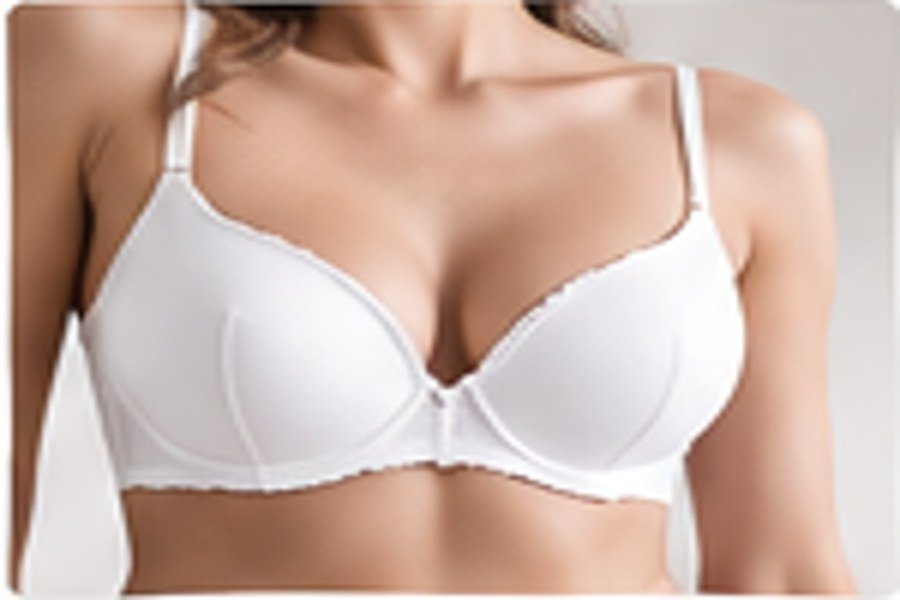
Illustration represents a garment category, not a specific product. See our editorial policy on generated imagery.