Bridal Shapewear Without the Guesswork
Shapewear can smooth a silhouette under a fitted gown, but it's the piece most brides get wrong by over-buying compression and under-buying fit. Getting the level and the garment type right matters more than getting the strongest option available.
Compression levels
Light: gentle smoothing that evens out minor texture without changing your shape — good under fabrics that are already forgiving, like structured satin or a lined ballgown skirt. Medium: more visible shaping with moderate structure, the most commonly chosen level for fitted-but-not-skintight gowns. Firm: stronger control that genuinely changes silhouette, but it requires careful fit testing — firm compression in the wrong size is where most of the "too tight" problems below actually come from.
Garment types and what they're best for
Full-length bodysuit: the most complete smoothing option, good under mermaid or fitted silhouettes where a separate top and bottom might show a seam at the waist. High-waist brief or short: lighter and easier to manage for bathroom breaks, better suited to A-line or ballgown skirts where waist smoothing matters more than hip-to-thigh control. Waist cincher: targets the midsection specifically without compressing the legs, useful layered under a structured bodice that already handles the bust on its own.
Where lines appear
Shapewear often becomes visible where it ends, not where it's tightest. Match leg length and waistband height to the dress silhouette specifically — a short-leg brief under a fitted knee-length hem can create a visible ridge exactly at the point a photographer is most likely to frame. Avoid ornate trim or lace edges beneath smooth fabric, since texture that's invisible on its own can print through a thin, light-colored dress.
Fabric behind the smoothing
Most shapewear compression comes from powernet — a stretch mesh woven specifically for controlled compression — layered under a smoother outer fabric for a clean visible finish. Lighter pieces use more mesh and less powernet, which is why they breathe better but shape less. If you run warm easily, ask specifically about mesh-panel construction at the underarms and inner thigh, since these are common overheating points during a long reception.
Alterations vs. shapewear
Before buying compression shapewear, check whether the dress itself can do some of that work. A boned bodice or a fully lined skirt already provides structure that a mermaid or fit-and-flare gown might not. If your dress has minimal internal structure, ask your seamstress whether adding boning or a structured lining during alterations could reduce how much separate shapewear you actually need — this often produces a cleaner line than shapewear layered underneath a completely unstructured gown.
Comfort test
- Sit for twenty minutes.
- Walk stairs.
- Check breathing and rib pressure.
- Practice bathroom access.
Pairing shapewear with your actual bra
Many shapewear bodysuits include a built-in shelf bra or molded cup, which is often not enough support on its own for a full wedding day, especially if you're also standing for a ceremony and dancing for hours afterward. Check whether the bodysuit's built-in cup matches the support level you already decided on in the choosing lingerie guide — if it doesn't, look for a bodysuit style with a separate underwire section, or plan to wear a properly fitted bra underneath rather than relying on the shapewear's own light shelf support.
If it's too tight — troubleshooting
Numbness, visible red marks that don't fade within a few minutes, or shallow breathing are signs the compression level is too high, not just unfamiliar. Sizing up one size in the same compression level almost always solves this better than "toughing out" a size down. If a firm-compression piece still feels wrong after sizing up, a medium-compression piece worn correctly usually smooths more effectively than a firm piece worn incorrectly.
For a full breakdown of warning signs and how to judge fit: How Tight Should Bridal Shapewear Be.
Caring for shapewear before the wedding
Powernet loses some of its compression with repeated machine washing and drying, so if you're buying weeks ahead, hand-wash and air-dry it rather than putting it through a regular laundry cycle. Buying it too far in advance and wearing it multiple times "to get used to it" can also work against you — a piece that's been washed and worn several times will compress noticeably less on the actual day than it did brand new.
Quick answers
Should shapewear match my skin tone or the dress color?
Your skin tone, not the dress. Shapewear sits under the dress's own lining, so its job is to disappear against you, not to coordinate with the gown's fabric color.
Can I wear shapewear with a backless dress?
Only styles designed for it — a standard bodysuit with a full back panel will show. See the dress compatibility guide for backless-specific options.
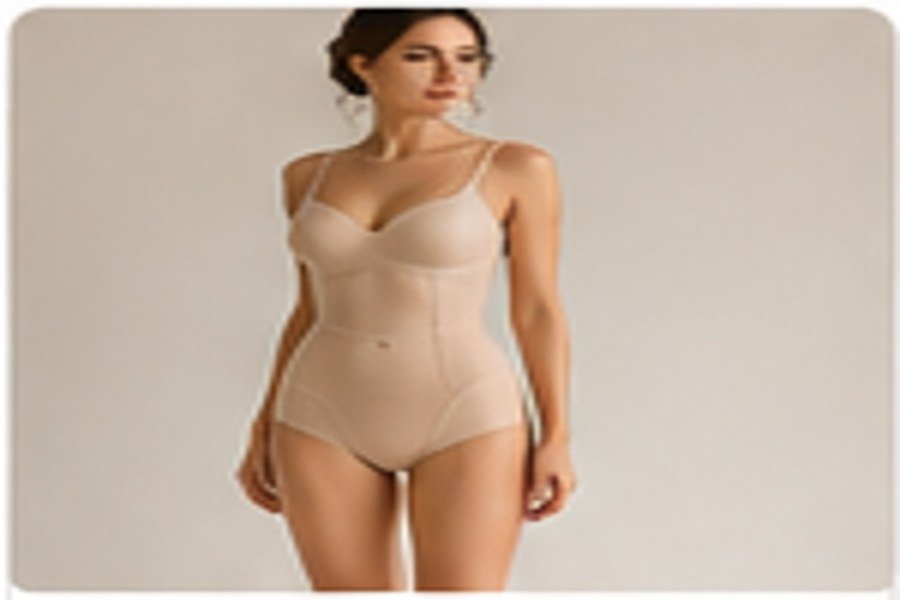
Illustration represents a garment category, not a specific product. See our editorial policy on generated imagery.